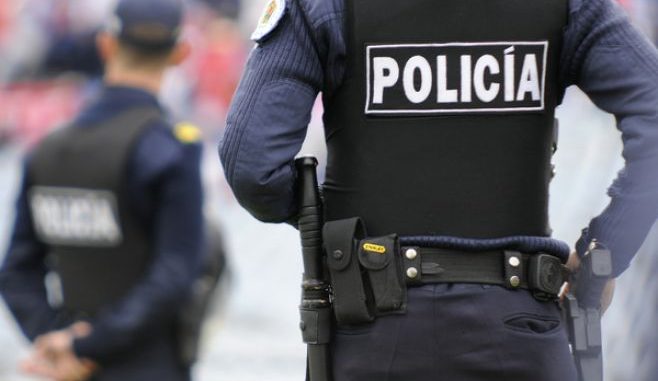
Uruguay Faces Rising Public Pressure to Militarize Fight Against Crime
If Uruguay caves to demands for an iron fist security approach, it could hamper long-term efforts that have made the country one of the safest in Latin America.
If Uruguay caves to demands for an iron fist security approach, it could hamper long-term efforts that have made the country one of the safest in Latin America.

Authorities in Colombia are responding to a recent wave of violence in Medellín with a heavy hand, but the factors fueling the clashes remain unclear and the security strategy may be exacerbating tensions.

Security forces in Jamaica are being sent back into a neighborhood where the recent withdrawal of a joint military-police occupation led to a spike in murders.
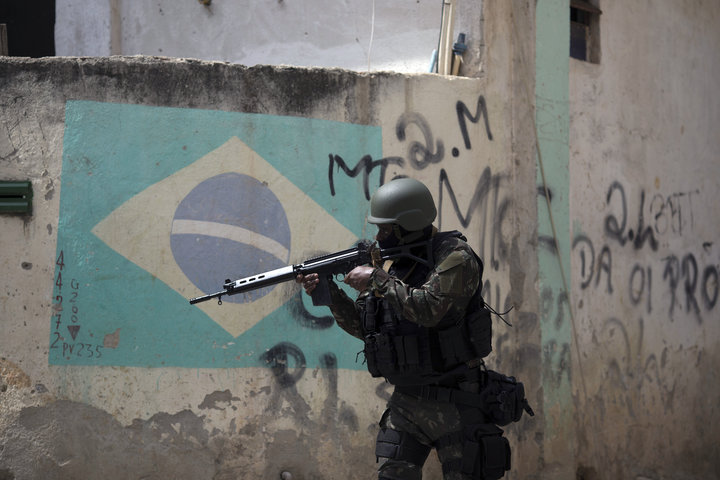
A recent string of militia-linked murders in Brazil is sparking increased public discussion about the widespread presence and power of these criminal groups.

Authorities in Chile have dismantled a transnational network that used travel agencies to traffic Haitian migrants.
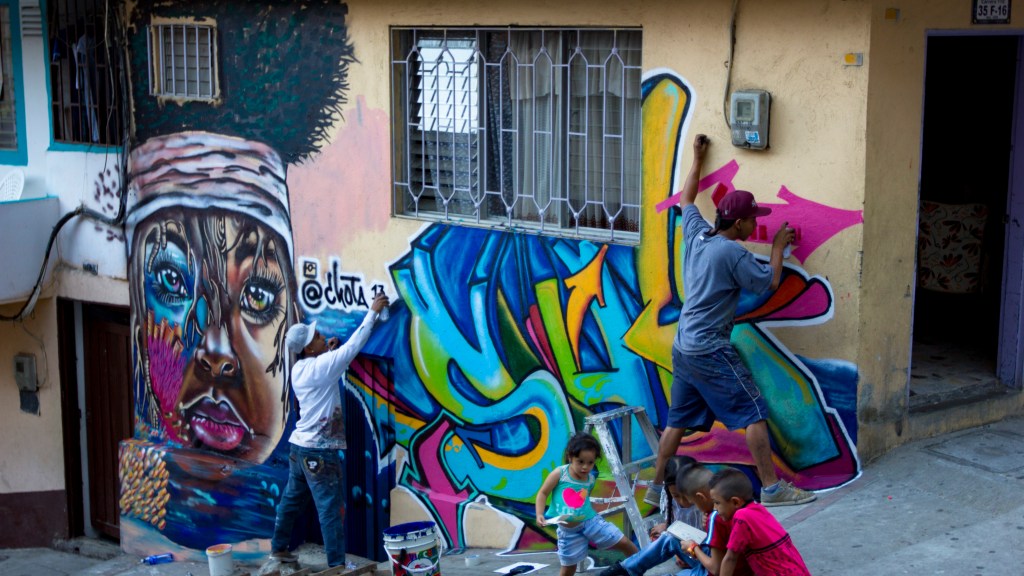
Comuna 13 was once one of the most dangerous places in the world. Now it’s a tourist hot spot for exploring Medellín’s “transformation.”

Brazil’s highest court has rejected Lula’s petition to stay out of jail while fighting against corruption conviction.

Health indicators that had improved over decades are coming undone as the country’s economic situation deteriorates, leaving people without access to reproductive, sexual, and HIV healthcare.

Mexico continues to be one of the most dangerous places in the world for journalists.

Authorities in Spain have dismantled a massive transnational reptile trafficking network, highlighting how the low risks and high rewards of wildlife trafficking fuel the lucrative illicit trade.

 Angelika Albaladejo