
This article and the accompanying video were published by Denver7.com
AURORA — After heavy rains this spring, Colorado was recently drought-free for the first time in two decades. But even with water reserves bolstered and gardens in full bloom, blazing heat is bringing back dry conditions, and many Coloradans are staying focused on conserving water for the future.
This summer, the Colorado Legislature passed a law to reduce how much freshwater the oil and gas industry uses and increase recycling of contaminated water.
“We want to make sure that just like everyone else in the state, who is being asked to reduce the amount of water that they’re utilizing, that oil and gas operations in the state are as well,” said John Messner, a commissioner on the state’s top energy regulatory agency, the Colorado Energy and Carbon Management Commission, previously known as the Colorado Oil and Gas Commission.
Commissioner Messner leads the Colorado Produced Water Consortium, a group he created last year in partnership with the Colorado School of Mines to start studying the oil and gas industry’s water use. The law passed in June tasks the consortium with analyzing current water use, developing best practices and making recommendations to state agencies.
To support the consortium’s research, the new law also requires oil and gas companies to report more information on how they use and dispose of water.
The consortium will start meeting this summer, but Messner said the results of their research will take a while.
“We don’t want to push it so fast that it creates unintended consequences,” Messner said.
The stakes are especially high when it comes to dealing with the toxic wastewater leftover after extraction, which “needs to be handled a very specific way to ensure that we’re protecting public health, safety, welfare, the environment and wildlife resources,” Messner said.
Over the last decade, oil and gas extractors more than doubled their use of freshwater, even as production fell, according to the nonprofit FracTracker Alliance.
By far, oil and gas companies used the most water (89%) on the Front Range in 2022.
Last year, oil and gas operators in Weld County used the same amount of water that the water district in Greeley provides to its 100,000 residents.
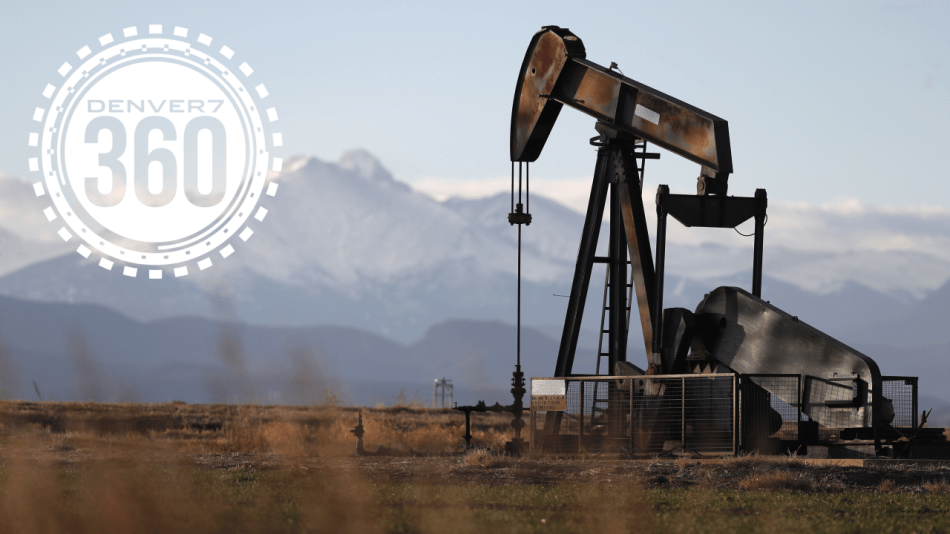
The industry uses most of that water for hydraulic fracturing, also known as fracking, whereby a mix of freshwater, sand and chemicals is injected into a well at high pressure to open cracks in the rock below, releasing oil and gas.
Oil and gas companies use an average of 15 million gallons of water to frack a single well. After fracking, companies are left with “produced water,” a type of toxic waste.
Read the rest of this article and watch the accompanying video at Denver7.com
 Angelika Albaladejo
0 comments on “Colorado plans to reduce oil and gas industry’s water waste”